
Over the past year, almost every conversation I have with writers eventually turns to the same topic: AI.
Some are curious. Some are cautious. A few are quietly experimenting with tools like ChatGPT to help them outline books, brainstorm ideas, or edit drafts.And many authors are asking the same practical questions:
Is it legal? Is it ethical? Can you actually publish something created with AI?
The reality is that use of AI is already happening across fiction, nonfiction, and content writing. The key is understanding how to use it wisely and responsibly.
Here are ten of the most common questions authors ask about AI.
Can I legally write a book with AI?
Yes. In most countries it is legal to use AI tools while writing a book.
AI can assist with outlining, research summaries, brainstorming plot ideas, or helping you structure chapters. Many writers use tools like ChatGPT as a thinking partner, rather than a replacement for their own writing. Where things become more complex is copyright. Current copyright rules generally protect human creativity, which means the author must contribute meaningful original work.
The safest approach is simple:
Use AI as a tool to assist your writing, not as a machine that produces the entire book.
Is it okay for authors to use AI?
For many writers, this question is less about legality and more about ethics.
Some authors worry that using AI somehow makes the work less authentic. Others see AI the same way we once saw spell-check, grammar tools, or research databases.
The truth is that AI is simply another writing tool. What matters is how it is used.
If an author uses AI to brainstorm ideas, explore plot twists, or help structure a nonfiction book, the creative decisions still belong to the writer. The voice, experience, and insight still come from the human author, you.
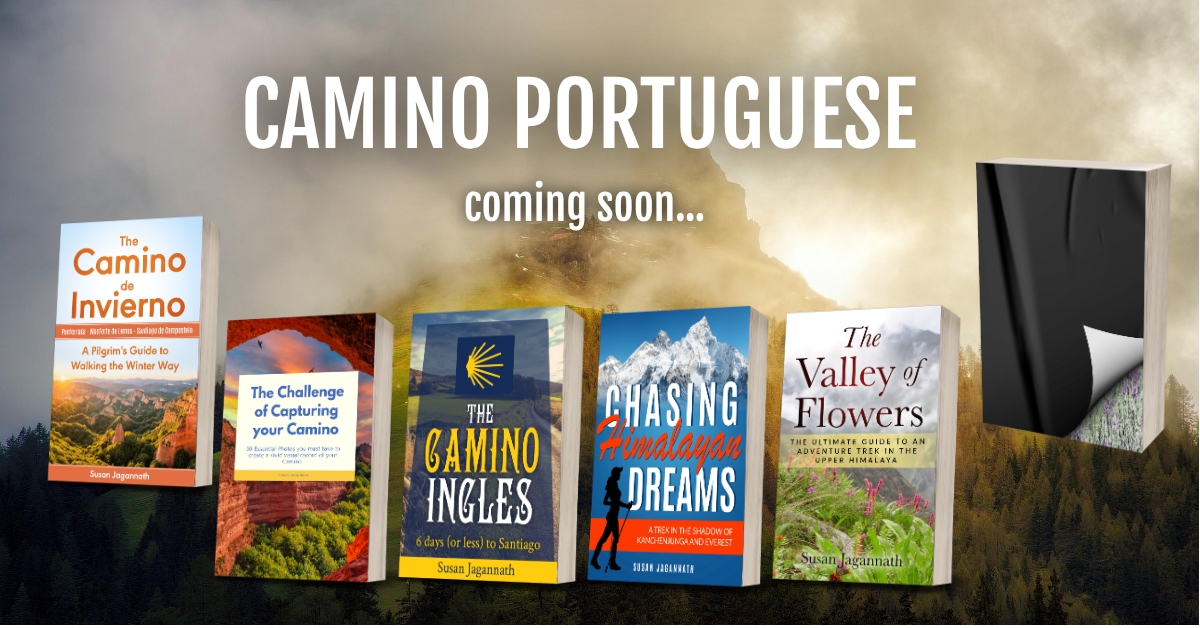
For example, in this book on the Camino Ingles, I’m not just sharing routes, readers can “walk along with me”. Through my words.
Readers are not buying a machine’s words. They are buying your thinking.
Can I sell a book I wrote with ChatGPT?
Yes, you can sell a book that was written with the help of ChatGPT or other AI tools.Many self-published authors already use AI to assist with drafting, editing, and idea development before publishing their books through platforms like Amazon Kindle Direct Publishing.
The key point is that the author remains responsible for the final content.
You should review, edit, and shape the manuscript so it reflects your own thinking and style. AI can help speed up the process, but the finished book should still feel like something you wrote.
For example, readers can tell that I have actually walked the Caminos and hikes that I write about. Mainly because I grumble a bit, about my feet hurting, about bad coffee and am also ecstatic when I reach Santiago, or Sandakphu. They connect with that more than dry routes and maps.
Can an author get in trouble for using AI?
Using AI itself is not something that will usually cause trouble. Problems come up when authors misuse the technology. For example:
- Publishing content copied directly from copyrighted material
- Uploading sensitive information into AI tools
- Presenting fully automated content as original human writing without oversight
In other words, the same rule that has always applied to writing still applies here:
Authors are responsible for what they publish. Treat AI as a tool and maintain editorial control and you are unlikely to run into problems.
Is it ethical for authors to use AI?
Ethics around AI in writing are still evolving. Some writers feel strongly that books should be written entirely by humans. Others believe AI is simply the next step in the long history of writing tools.
A balanced view is emerging among many authors:
AI can help with ideas, outlines, and drafting. You, the author must provide judgment, experience, and voice. Readers deeply value authenticity. When AI supports a writer’s thinking rather than replacing it, the ethical concerns tend to fade.
I’m a writer, of a fairly niche area, I have a very small budget for publishing, so if I can use AI to create lovely graphics, I will. For example, this map – its a fantasy style map, that may not be very useful to you when walking, but it captures the magical quality of the journey!

Can you legally use AI to write a book?
Yes. Using AI during the writing process is generally legal. AI tools are already used by many professionals for tasks such as:
- brainstorming ideas
- generating outlines
- summarizing research
- editing drafts
What matters legally is how much human creativity is involved in the final work.
A book that reflects the author’s ideas, experiences, and judgment will usually qualify as original work.
Can you publish a book written by AI as your own?
This question sits right at the center of the current debate.
If a book were generated entirely by AI with no meaningful human input, it may not qualify for copyright protection in some jurisdictions. However, if an author uses AI during the writing process but shapes the work themselves, the book is still fundamentally their creation.
Most authors today use AI in a collaborative way: generating ideas, refining passages, and then rewriting extensively.
In that case, the author is still clearly the creator.
Do I own the copyright if I use AI to write a book?
Copyright law around AI is evolving, but the current direction is clear. Copyright protects human authorship.
If AI generates text completely on its own, that text may not be eligible for copyright protection. However, if an author uses AI as a tool and then edits, expands, and shapes the content, the final work can still be protected.
The safest practice is to ensure the book reflects substantial human creativity.
Can you tell if a book is written by AI?
Sometimes people claim that AI-written text can always be detected.
In practice, this is far less reliable than many people think. AI detection tools frequently produce false positives, especially when applied to well-edited writing. Many universities and publishers now acknowledge that detection technology is not dependable.
What readers actually notice is something simpler:
- Books that feel generic or formulaic.
- Strong writing still depends on human insight, storytelling, and experience.
For example in many reviews of my books, readers specifically say that they feel they are walking the trail with me. I love that!
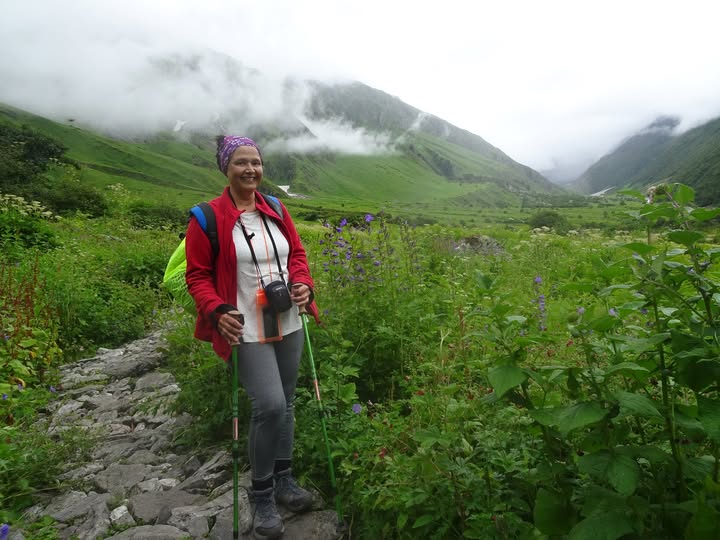
In the Valley of the Flowers
Is it illegal to use ChatGPT to write a book and publish it?
No, it is not illegal to use ChatGPT while writing a book.
Many writers already use AI tools to assist with:
- idea generation
- outlining
- drafting
- editing
As with any tool, the responsibility remains with the author. The content should be reviewed carefully, rewritten where needed, and shaped into a coherent manuscript.
The goal is not to have AI write the book for you, but to help you write it better and faster.
FAQs
Can AI write an entire novel?
Yes, AI tools can generate long pieces of text, including entire novels. However, AI-generated stories often lack the depth, structure, and emotional coherence that come from human storytelling.
Most authors find AI works best as a brainstorming or drafting assistant rather than as the sole creator of a book.
For me I am using AI for brainstorming, as I am still learning about fiction.
Will publishers accept books written with AI?
Policies vary.
Many traditional publishers allow authors to use AI during the writing process, particularly for research or drafting.
However, publishers typically expect the author to remain the primary creator of the manuscript and may require disclosure if AI tools were used extensively.
Amazon KDP has a section where you are asked if you have used AI for your book. It seems that for now, it is only for information.
Do I need to disclose if I used AI to write my book?
Some publishing platforms and traditional publishers are beginning to introduce disclosure policies regarding AI-assisted writing. While requirements differ, transparency is increasingly encouraged. Authors should check the guidelines of their chosen publishing platform or publisher before submitting their manuscript.
In the end, the real question is not whether authors will use AI. That is already happening.
I am happy to say that I use it for editing and graphics. I’ve even a written a short book for authors to use!
The real question is how writers will use these tools while still doing what authors do best – create characters, narratives and stories that speak to the human heart.
Be the first to read my new book on the Portuguese Camino!
Join the launch team of the upcoming book. I would love to share the early drafts, bonuses and general experience of writing the book about our camino. For an author the journey is not over until the book is written.